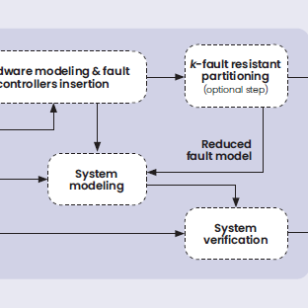
Fault injection attacks threaten the security of digital systems. CEA-List and Graz Technical University (Austria) developed a new pre-silicon analysis method that led to the world’s first demonstration of the robustness of a processor and its boot code against these attacks.
Read more
CEA-List, in collaboration with CEA-Leti and BioMaps, has developed an ultrasound-based technology designed to improve confidence in wearable health devices.
Read more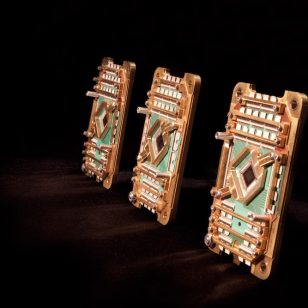
The most advanced quantum computers have already gone beyond the proof-of-concept stage—but that doesn’t mean they are ready for practical use cases. We have entered the performance evaluation era, where the goal is to measure the gap between the current state-of-the-art and quantum utility (QU).
Read more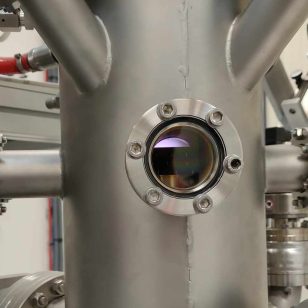
To enhance alpha radioactivity measurement—critical for separating reusable materials from waste—CEAList has developed a monocrystalline diamond detector resistant to extreme operating conditions.
Read more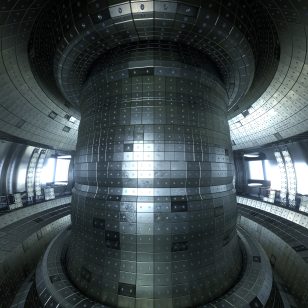
The CEA’s IRFM institute is already working on the maintenance requirements for the ITER installation. IRFM called on CEA-List’s expertise in model-driven engineering to model maintenance processes in this complex environment.
Read more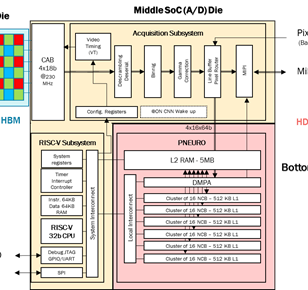
Smart imagers are revolutionizing the acquisition and analysis of visual data with real-time image capture and processing capabilities
Read more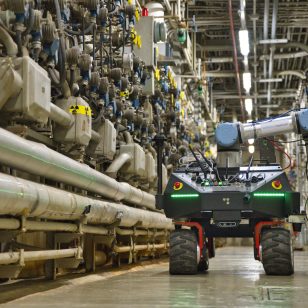
CEA-List is driving progress in digital instrumentation for nuclear dismantling and decommissioning (D&D) through three PhD contracts funded under the FOCUSDEM program and in situ demonstrations of radiological measurement technologies as part of the European CLEANDEM project.
Read more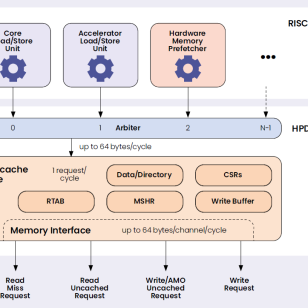
HPC and AI applications are increasingly data intensive, their memory access patterns are irregular, making the cache memory less efficient. HPDcache, which allows multiple memory requests to be executed simultaneously, solves this problem.
Read more